What to See at Santa Maria delle Grazie
Leonardo’s Last Supper is why most people come — but the complex holds far more: Montorfano’s forgotten fresco, Bramante’s Renaissance apse, 14 privately commissioned chapels, and a hidden courtyard almost no tourists find. Use this guide to choose what to prioritise based on your time and interests.
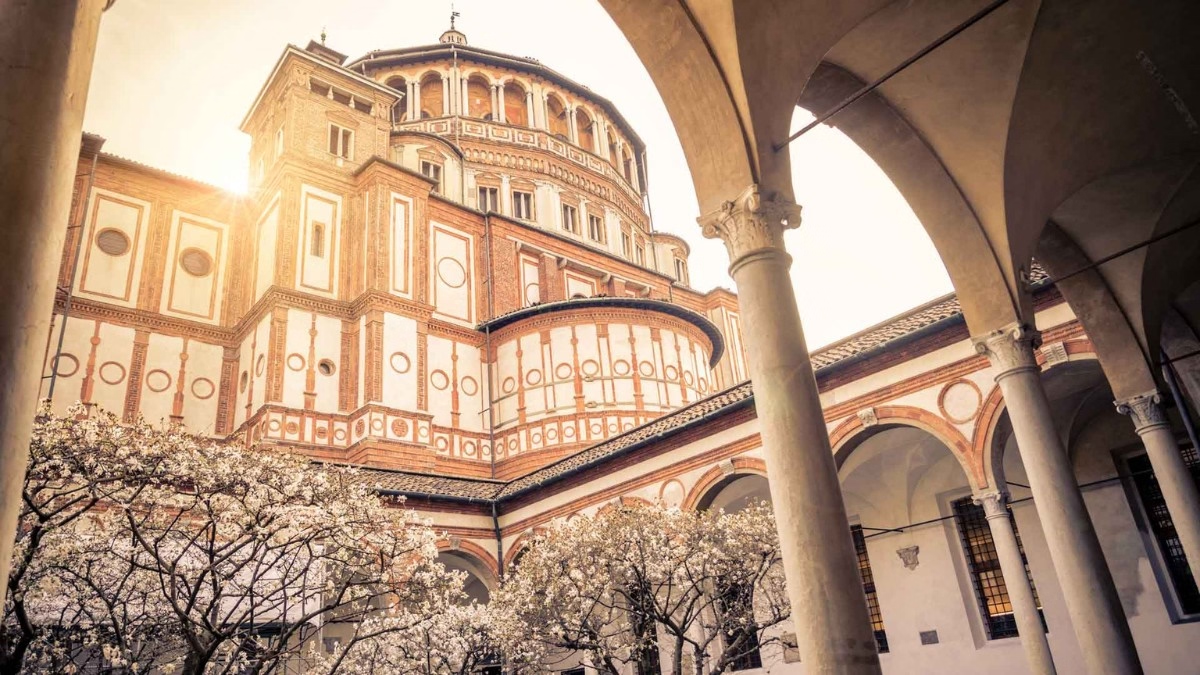
Top Highlights
The two experiences that define a visit to Santa Maria delle Grazie.
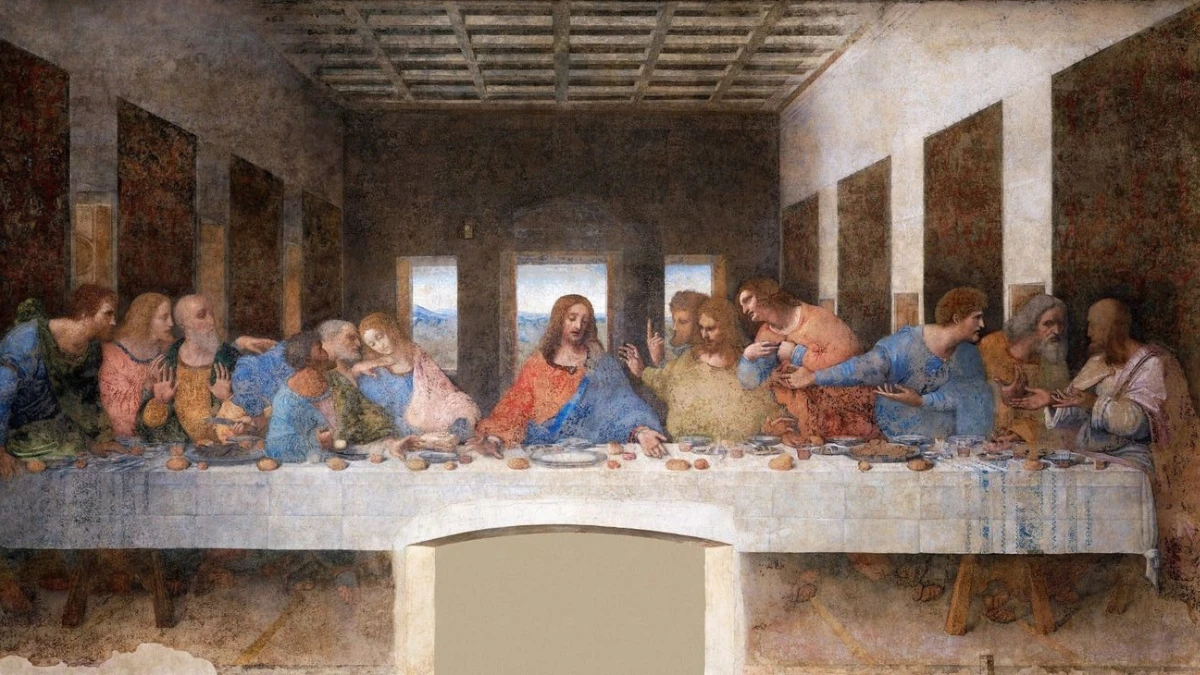
Leonardo’s Last Supper
Painted 1495–1498 in tempera and oil on dry plaster — not true fresco — Leonardo’s mural covers the entire north wall of the refectory. Only 35 visitors are admitted every 15 minutes, in timed slots that must be pre-booked, often months in advance. Know what to look for before you go in: the hands, the perspective illusion, Judas’s shadow, and the window that creates Christ’s halo.
Explore the Last Supper →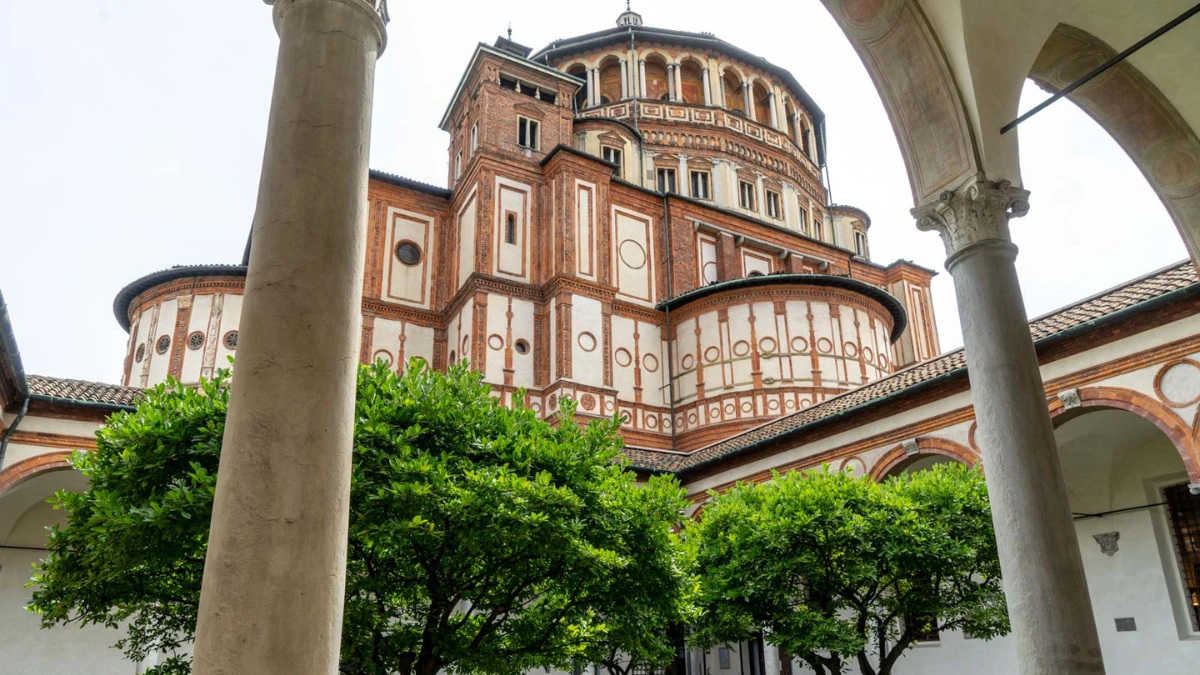
Inside Santa Maria delle Grazie
The full picture: the refectory and Montorfano’s Crucifixion (ticket required), the church interior and Bramante’s dome (free), 14 side chapels with Gaudenzio Ferrari frescoes (free), and the Cloister of the Frogs hidden behind the apse (free and nearly always empty). A complete visit takes 2.5–3.5 hours and costs as little as the price of a single refectory ticket.
See the full guide →The Refectory
What’s inside the room where Leonardo painted — and what most visitors miss.

Hidden Details & Secrets of the Last Supper
Judas’s money bag, the missing painted halo, the apostles’ hands, the vanishing point aligned with Christ’s right eye — what to focus on in your 15-minute slot.
Read more →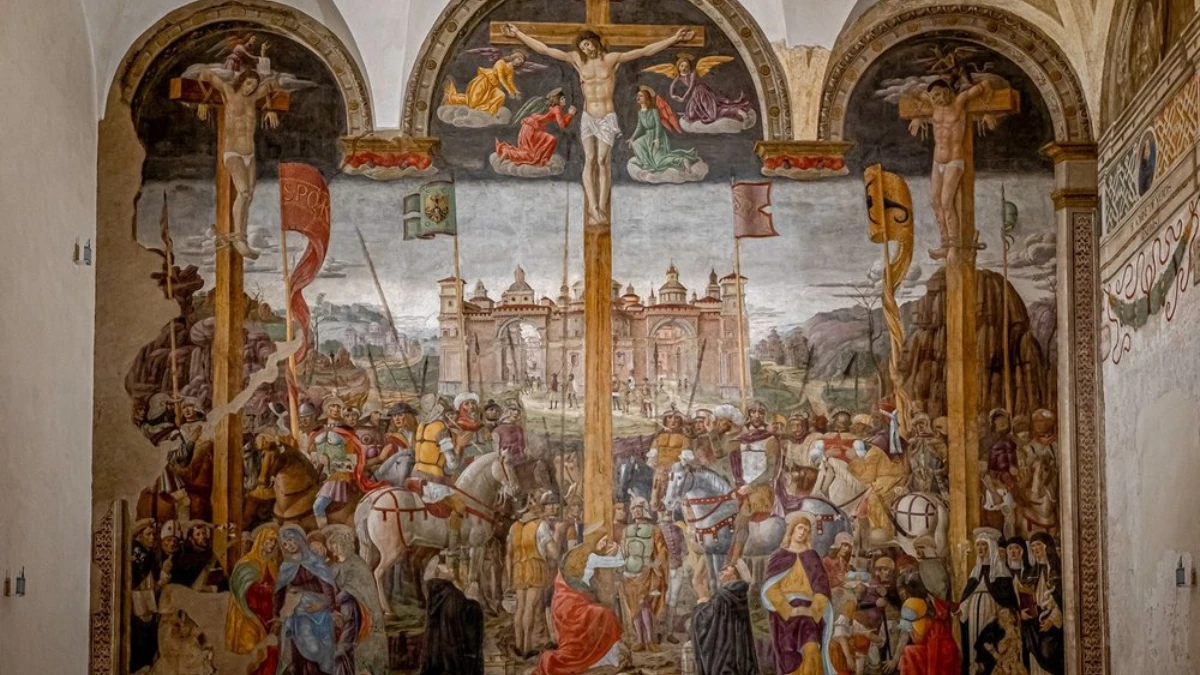
The Crucifixion by Montorfano
On the south wall, directly behind you when you walk in. Almost everyone ignores it. Montorfano’s 1495 traditional fresco has survived in far better condition than Leonardo’s mural.
Read more →
The Refectory — What to Expect Inside
What the room looks like, how the timed entry system works, where to stand, what security checks are required, and how to make the most of your 15 minutes.
Read more →The Church & Grounds
Everything beyond the refectory — all free, all worth seeing.

The Church Interior
Solari’s Gothic nave (1463) and Bramante’s Renaissance apse and dome (1492) in one building. The architectural transition is visible from a single viewpoint in the nave.
Read more →
The 14 Side Chapels
Each privately commissioned by a Milanese noble family. Several contain Gaudenzio Ferrari frescoes. Most visitors walk straight past all 14 — don’t be one of them.
Read more →
Cloister of the Frogs
A quiet Renaissance courtyard behind the apse, named after four bronze frogs on its central fountain. Hidden from the piazza, almost always empty. One of Milan’s best-kept secrets.
Read more →How to Choose What to See
A quick guide based on your interests and how much time you have.
Best for First-Time Visitors
- Book the Last Supper timed entry months in advance — or book a guided tour with included access
- Read the hidden details guide before your slot so you know what to look for
- Turn around in the refectory — Montorfano’s Crucifixion is on the opposite wall
- Allow time for the church interior and the Cloister after the refectory
Best for Art & Architecture Lovers
- Study the compositional devices Leonardo used — perspective, light, gesture
- Compare Solari’s Gothic nave with Bramante’s Renaissance apse in one building
- Look at Gaudenzio Ferrari’s frescoes in the side chapels
- Read about the building’s history from 1463 to the 1943 WWII bombing
Best for Photographers
- Photography is strictly prohibited inside the refectory — no exceptions
- The church interior and side chapels allow photography — check full photography rules
- Best exterior shots: from the piazza in morning light, or from the Via Caradosso corner
- The Cloister of the Frogs is photogenic and nearly always empty
Best for Short Visits (<1 Hour)
- Refectory slot: 15 minutes inside, plus 20–30 minutes for check-in and security
- If time is very limited, the refectory is the priority — everything else is free and can be seen briefly
- A fast pass through the church takes 10–15 minutes
- Skip the Cloister only if genuinely pressed — it adds 15 minutes and is worth it
More to Explore
History, context, and practical guides for getting the most from your visit.
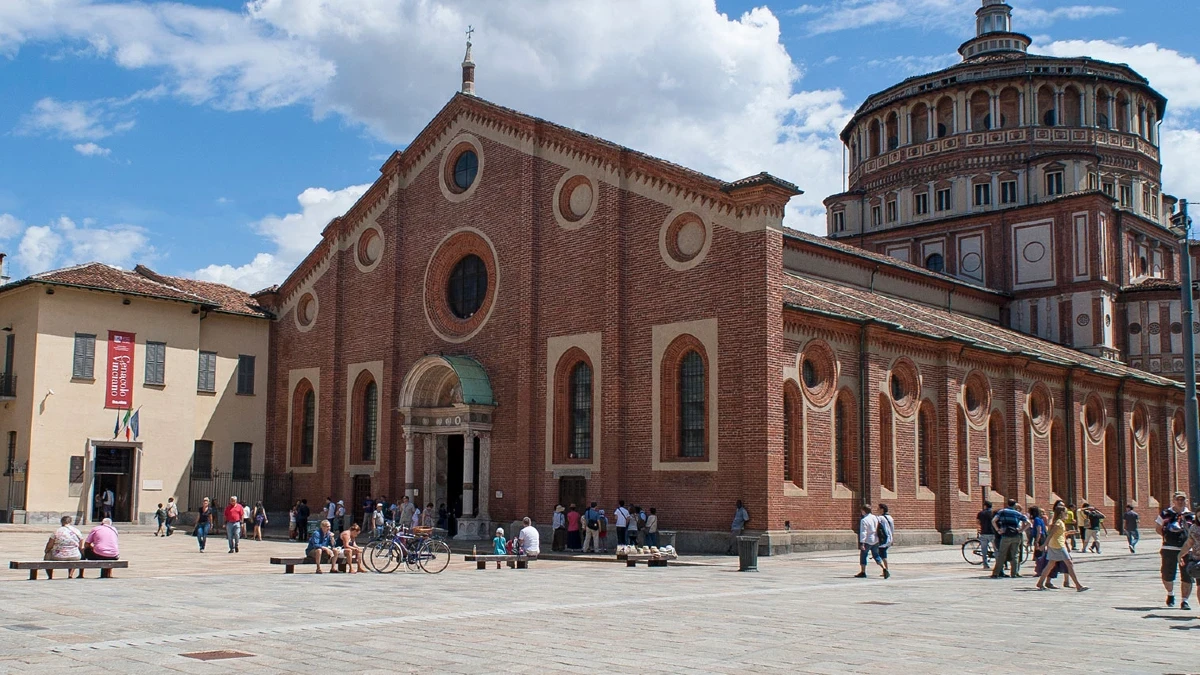
History of Santa Maria delle Grazie
Founded 1463, transformed by Bramante for Ludovico Sforza, bombed in WWII, restored over decades. The full story behind one of Italy’s most important buildings.
Read more →
Photography Rules
What you can and cannot photograph, and where. Strictly no cameras in the refectory. The church and grounds allow photography — with some restrictions.
Read more →
Leonardo da Vinci in Milan
Leonardo spent 17 years in Milan. The Last Supper is his most visible legacy — but the Ambrosiana, Sforza Castle, and Science Museum also hold key works.
Read more →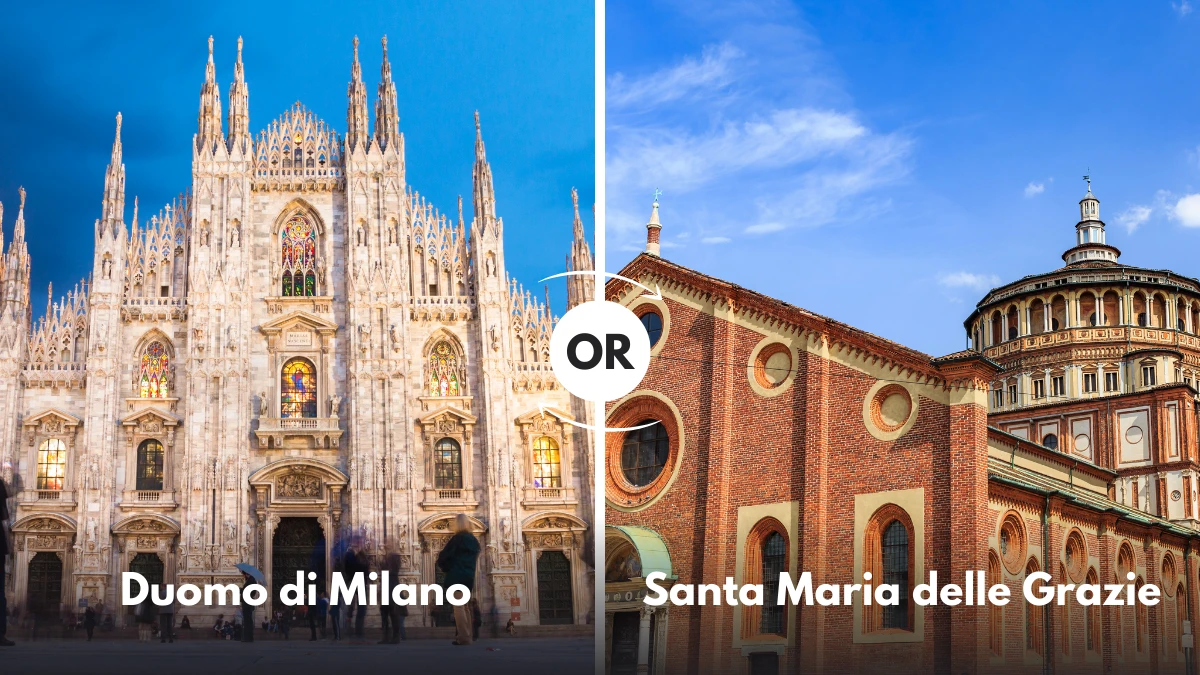
Duomo di Milano vs Santa Maria delle Grazie
Both are UNESCO sites 15 minutes apart. Which deserves more of your time? An honest comparison by visitor type — with a clear recommendation for each.
Read more →
Santa Maria delle Grazie vs Other Milan Museums
How does a visit compare to Pinacoteca di Brera, Pinacoteca Ambrosiana, or the Science Museum? A guide for planning the right Milan art itinerary.
Read more →
Virtual Tour of the Last Supper
Can’t get tickets? Several official and third-party virtual tours let you explore the mural in high resolution from anywhere in the world.
Read more →Continue Exploring
Plan the practical side of your visit.

Tickets & Tours
Official tickets, guided tours, semi-private tours, walking tours with the Last Supper, and last-minute options when everything looks sold out.
Explore ticket options →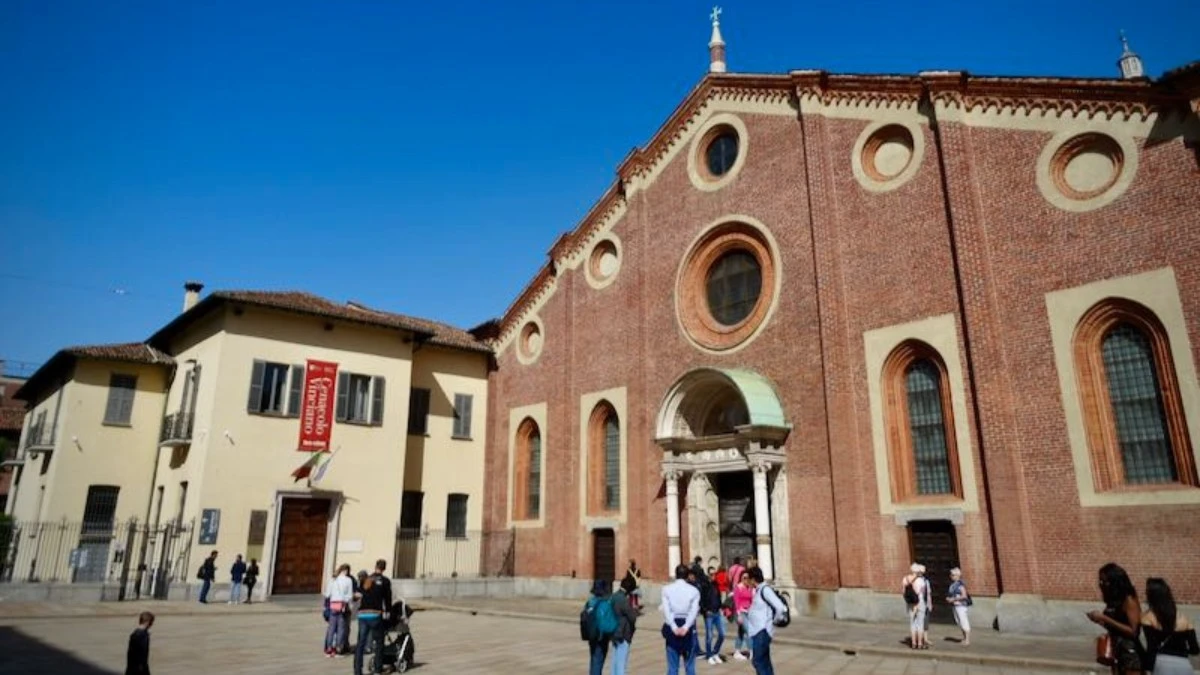
Plan Your Visit
Opening hours, how to get there, dress code, best time to visit, accessibility, parking, and practical tips for a smooth visit.
Read the visitor guide →Frequently Asked Questions
Common questions about what to see and prioritise at Santa Maria delle Grazie.